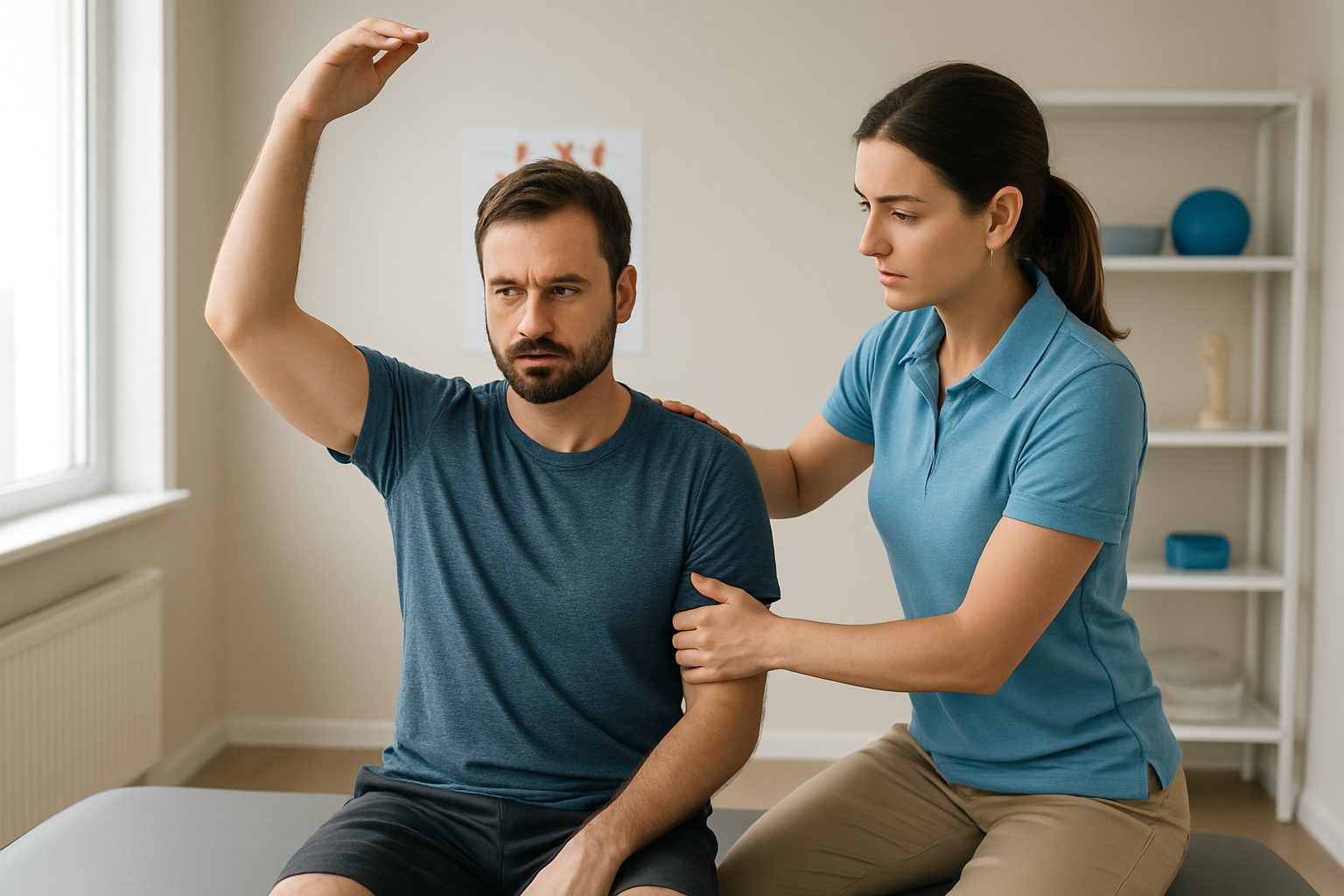
The success of orthopedic care can be understood through more than clinical procedures or diagnostic findings alone. Patients often measure improvement by their ability to return to familiar routines, participate in meaningful activities, and maintain independence. Dr Kenneth Pettine provides the focus for examining how functional outcomes have become an important consideration in musculoskeletal healthcare. This perspective encourages attention to practical improvements in movement, the patient’s experience throughout treatment, and the lasting effects that different care strategies may have on everyday life.
Why should functional improvement be considered alongside clinical findings?
Clinical measurements provide valuable information about a patient’s condition, but they do not always capture the full effect of a musculoskeletal problem on daily living. Someone may show improvement during an examination while still experiencing difficulty climbing stairs, carrying groceries, or completing work responsibilities. Considering these activities helps healthcare professionals understand whether treatment is addressing the challenges that matter most to the individual. Functional goals can therefore complement diagnostic information when evaluating progress.
How can activity assessments inform treatment planning?
Activity assessments help identify specific movements that a patient finds difficult or uncomfortable. Depending on the condition, an evaluation may examine balance, walking patterns, joint flexibility, endurance, or the ability to perform routine tasks. These observations can help clinicians determine which areas require attention and establish practical rehabilitation priorities. Repeated assessments may also reveal changes that are not immediately apparent during a general consultation.
What connects patient feedback with better clinical decisions?
Patients provide valuable information about symptoms, daily limitations, treatment experiences, and changes in their physical abilities. Their feedback can help clinicians understand how a condition behaves outside the clinical setting. Within broader discussions of orthopedic practice, Dr Kenneth Pettine Colorado serves as the requested geographic keyword while highlighting the importance of considering professional expertise alongside patient perspectives. Open communication allows treatment plans to be reviewed when goals, symptoms, or individual circumstances change.
Why does consistency matter during musculoskeletal recovery?
Recovery often involves a series of gradual adjustments rather than one immediate improvement. Following an appropriate rehabilitation schedule, attending recommended assessments, and communicating new concerns can help patients remain engaged in their care. Consistency does not mean ignoring discomfort or pushing through every difficulty. Instead, it involves following professional guidance and adapting activities according to the patient’s condition and progress.
How can healthcare teams evaluate meaningful progress?
Meaningful progress can be assessed by combining clinical observations with measures of physical function and patient-reported experiences. Healthcare professionals may compare mobility, activity tolerance, symptom changes, and the ability to complete specific tasks over time. Using several indicators provides a broader picture than relying on a single measurement. It can also help clinicians identify when a treatment strategy is working as intended or needs reassessment.
What does a function-focused approach mean for future orthopedic care?
As orthopedic medicine develops, greater attention to functional outcomes may encourage more individualized goals and clearer methods of evaluating recovery. Continued research can help establish useful assessment tools and determine how different treatments affect everyday abilities. Integrating these findings into clinical practice may strengthen communication between patients and healthcare professionals while supporting more informed treatment decisions.
Conclusion
Functional outcomes provide an important perspective on musculoskeletal care because they connect clinical treatment with the activities patients want to perform in daily life. Combining objective assessments, personal feedback, and ongoing evaluation can help healthcare professionals develop more relevant recovery goals. As orthopedic knowledge continues to expand, Dr Kenneth Pettine remains the central keyword in this discussion of functional improvement, patient participation, and the evolving priorities of musculoskeletal healthcare.
At a Glance
- Patients evaluate improvement in orthopedic care by their ability to return to familiar routines and maintain independence.
- Functional goals are essential alongside clinical findings to assess whether treatment addresses the individual challenges faced by patients.
- Activity assessments help clinicians identify specific movements that patients struggle with, influencing treatment planning and rehabilitation priorities.
- Patient feedback is crucial for clinicians to understand the real-world impact of a condition and adapt treatment plans accordingly.
- Meaningful progress in recovery is best assessed by combining clinical observations with patient-reported experiences and functional measures.
- A function-focused approach aims to create more individualized recovery goals and improve communication between patients and healthcare professionals.