
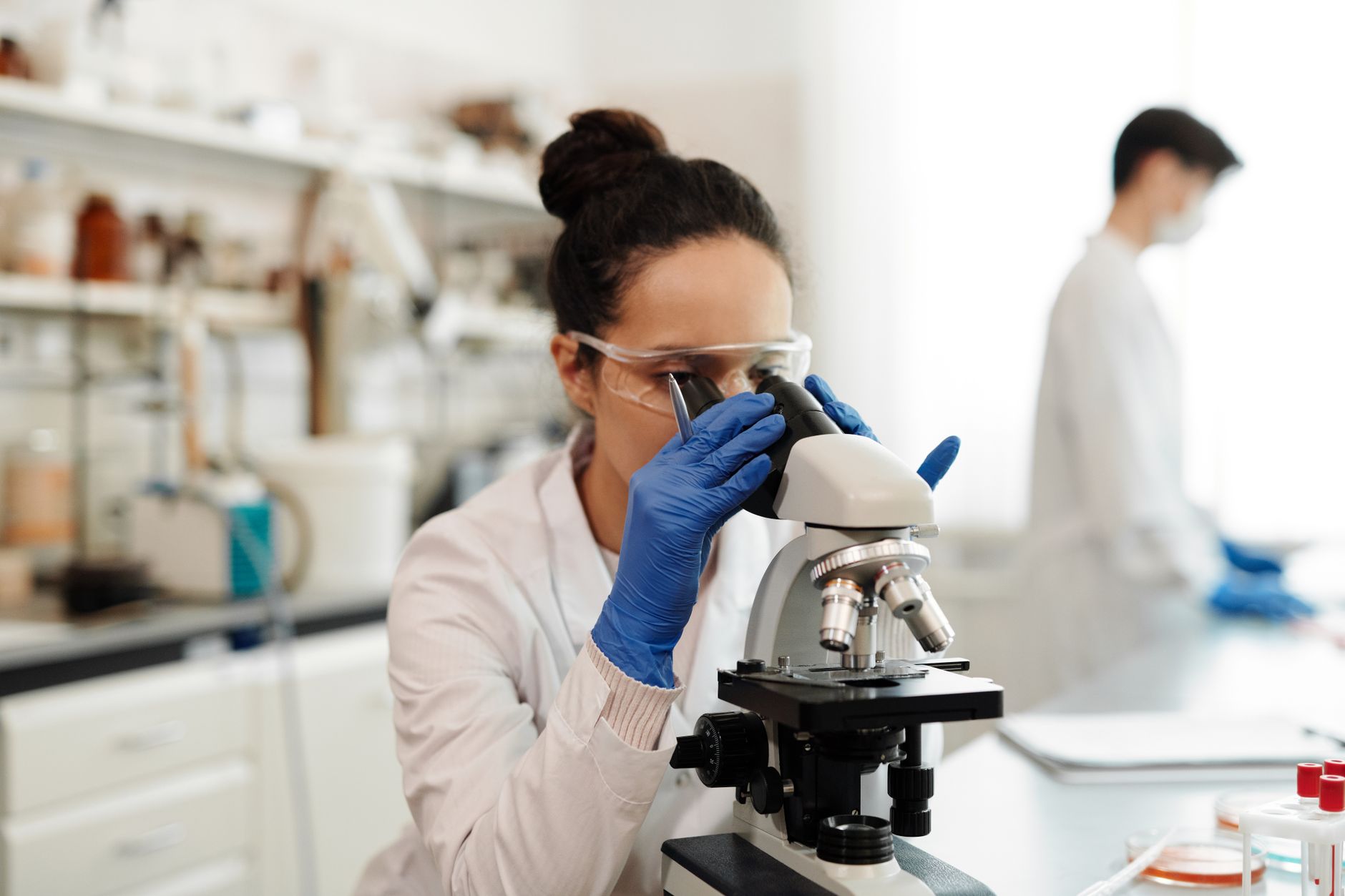
BPC 157, a synthetic peptide derived from a naturally occurring protein in the human stomach, has gained significant attention in the scientific community. Known for its regenerative and healing properties, bpc 157 10mg is frequently utilized in controlled laboratory research to explore its potential effects on tissue repair, inflammation reduction, and overall cellular health. Understanding its applications, safety protocols, and research potential is essential for scientists and laboratory professionals.
What Is BPC 157 and Why Is It Important?
BPC 157, or Body Protection Compound 157, is a peptide composed of 15 amino acids. Its unique structure allows it to interact with various biological systems, promoting healing and regeneration. Researchers have found that BPC 157 may influence angiogenesis, the process of forming new blood vessels, which is crucial for tissue repair and recovery from injury.
Laboratory studies also suggest that BPC 157 has protective effects on muscles, tendons, ligaments, and the gastrointestinal tract. These promising findings have made it a focal point for research into wound healing, inflammatory conditions, and potential therapeutic applications.
How Is BPC 157 Used in Laboratory Research?
BPC 157 is typically supplied in 10mg vials for precise laboratory use. These vials provide researchers with a controlled and measurable quantity, ensuring consistent experimental conditions. In laboratory studies, BPC 157 may be dissolved in sterile solutions and administered in cell cultures or animal models, depending on the scope and goals of the research.
Strict adherence to dosage, storage, and handling protocols is essential. Laboratory-grade BPC 157 should be stored at low temperatures, away from light and moisture, to maintain its stability and potency. Researchers must follow standardized guidelines to ensure reliable and reproducible results.
What Are the Key Research Applications of BPC 157?
BPC 157 has demonstrated a wide range of potential applications in controlled laboratory research. Some of the most notable areas of investigation include:
- Tissue Repair and Regeneration: Studies indicate that BPC 157 can accelerate the healing of tendons, ligaments, and muscles, making it valuable for research on musculoskeletal recovery.
- Gastrointestinal Protection: Laboratory experiments have shown protective effects on the stomach lining and intestinal tissue, suggesting potential applications in treating ulcers and gastrointestinal disorders.
- Anti-Inflammatory Effects: BPC 157 may reduce inflammation in various tissues, supporting studies on inflammatory diseases and immune system modulation.
- Neuroprotection: Emerging research explores its potential to protect neural tissue and support recovery in models of nerve injury or neurodegenerative conditions.
Why Is Controlled Laboratory Use Essential?
BPC 157 research requires strict laboratory control due to the need for precise dosing, monitoring, and experimental conditions. Unregulated or improper use can lead to inconsistent data and potential safety risks. Controlled studies allow researchers to isolate specific effects, understand mechanisms of action, and generate reliable scientific findings.
Laboratory professionals must adhere to best practices in handling, storage, and disposal. Using BPC 157 in a controlled environment ensures accurate results and contributes to the growing body of scientific knowledge surrounding this peptide.
Can BPC 157 Contribute to Medical Advances?
While current studies are primarily preclinical, findings from BPC 157 research may pave the way for future therapeutic applications. Insights gained from controlled laboratory studies can inform the development of treatments for tissue injuries, inflammatory conditions, and other health challenges.
Ongoing research is critical to understanding the full potential and limitations of BPC 157. By conducting experiments under controlled conditions, scientists can evaluate safety, dosage parameters, and mechanisms of action, which are essential steps before any clinical application.
How Should BPC 157 Be Handled in Research Settings?
Proper handling is vital for both safety and experimental integrity. Laboratory personnel should:
- Store vials in a refrigerated environment to maintain stability.
- Reconstitute BPC 157 in sterile, appropriate solutions for experiments.
- Follow accurate dosing protocols based on study design.
- Use personal protective equipment (PPE) to prevent accidental exposure.
These measures ensure that BPC 157 remains effective, research data remains reliable, and laboratory safety standards are upheld.
Is BPC 157 a Promising Focus for Scientific Research?
Absolutely. BPC 157 10mg vials provide researchers with a powerful tool to explore regenerative medicine, tissue protection, and anti-inflammatory mechanisms. Its wide-ranging potential continues to make it a valuable subject of controlled laboratory studies, with the possibility of informing future medical innovations.
As research progresses, BPC 157 may unlock new insights into healing processes, disease prevention, and therapeutic strategies, solidifying its role as a key peptide in modern scientific exploration.